The Future of Santa Rosa Island
A Letter of Concern After Historic Wildfire
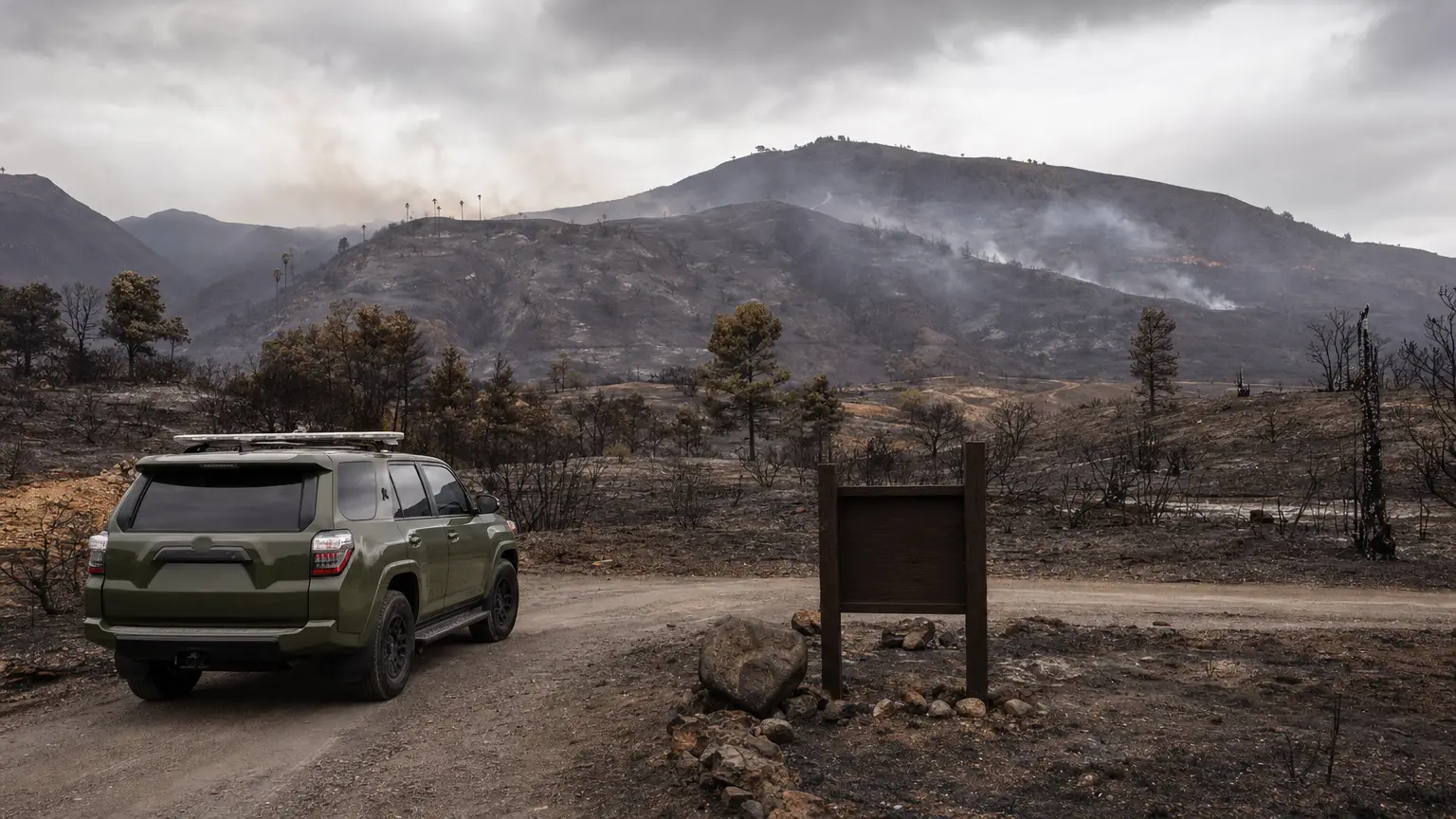
A longtime Channel Islands visitor has raised urgent questions about restoration planning following the Santa Rosa Island Fire, which burned 18,379 acres — roughly one-third of the island — in the largest wildfire ever recorded in the Channel Islands archipelago.
In a letter to the Santa Barbara Independent, Inge Rose of Santa Barbara expressed worry about post-fire recovery efforts that could cause additional environmental damage. The letter references a tribute to the island by Independent Senior Editor Matt Kettmann, who has written extensively about the Channel Islands throughout his career.
Unprecedented Fire Destroys Critical Habitat
The Santa Rosa Island Fire began May 15, 2026, when a 67-year-old sailor's boat caught fire after running aground on the island's rocky shoreline. The blaze ultimately reached 97 percent containment by late May after burning through grassland, coastal sage scrub, and island chaparral across the southeastern portion of the island.
The fire threatened some of the world's rarest species, including the critically endangered Santa Rosa Island Torrey pine, one of only two natural populations of the species on Earth. Early assessments suggested the Torrey pines "still exist and remain largely intact," though Rose's letter notes that drone photos already show "yellowish discoloration of pines."
Concerns About Native Species Recovery
Rose, who describes herself as having visited all eight Channel Islands "many times over the last 60 years," highlighted the unique vulnerability of Santa Rosa's ecosystems. Unlike mainland California vegetation, the island's plants and animals lack fire adaptation, having evolved without regular wildfire cycles.
"These trees and the island do not have any fire history and are not considered a fire-adapted ecosystem," Rose wrote. "We do not know what the next two- or three-year survival rate will be."
The letter cataloged numerous endemic species at risk, including the Santa Rosa Island fox (currently in breeding season), munchkin Dudleya, island spotted skunk, and Channel Islands slender salamander. The fire also occurred during nesting season for bald eagles and federally threatened western snowy plovers.
Restoration Challenges Ahead
Rose's primary concern centers on how restoration efforts might inadvertently harm surviving native species while attempting to control non-native grasses that typically flourish after fires. She emphasized the importance of pine needle "duff" for Torrey pine reproduction, noting that seeds require this natural mulch layer to germinate successfully.
National Park Service resource advisors are already working with restoration biologists, archaeologists, and cultural specialists on recovery plans. Their immediate focus includes suppression repairs to minimize soil erosion and habitat damage from firefighting activities.
The island remains closed to public access through at least June 6, with potential extended closures affecting camping reservations through mid-August.
Long-term Recovery Questions
For Santa Barbara residents who visit the Channel Islands, Rose's letter raises important questions about balancing ecosystem restoration with species protection. The Torrey pine population on Santa Rosa Island represents roughly half of the species' entire wild population, making their recovery critical for the species' survival.
As restoration planning continues, Rose urged caution: "Let us not do more damage in the name of restoration." Her plea reflects broader concerns among conservationists about well-intentioned recovery efforts that could disrupt the delicate ecological balance on what's often called "North America's Galapagos."
The Channel Islands National Park has not yet announced detailed restoration timelines or methodologies for the burned areas.
Reported by 805.life
Researched and written drawing on primary sources. Additional reporting: Santa Barbara Independent.
City
Santa BarbaraAdditional Reporting
Santa Barbara IndependentPublished
June 2, 2026
Reported and written by 805.life
Explore Santa BarbaraAll Santa Barbara NewsMore News from Santa Barbara
 Santa Barbara
A Bike Path Light Deficit
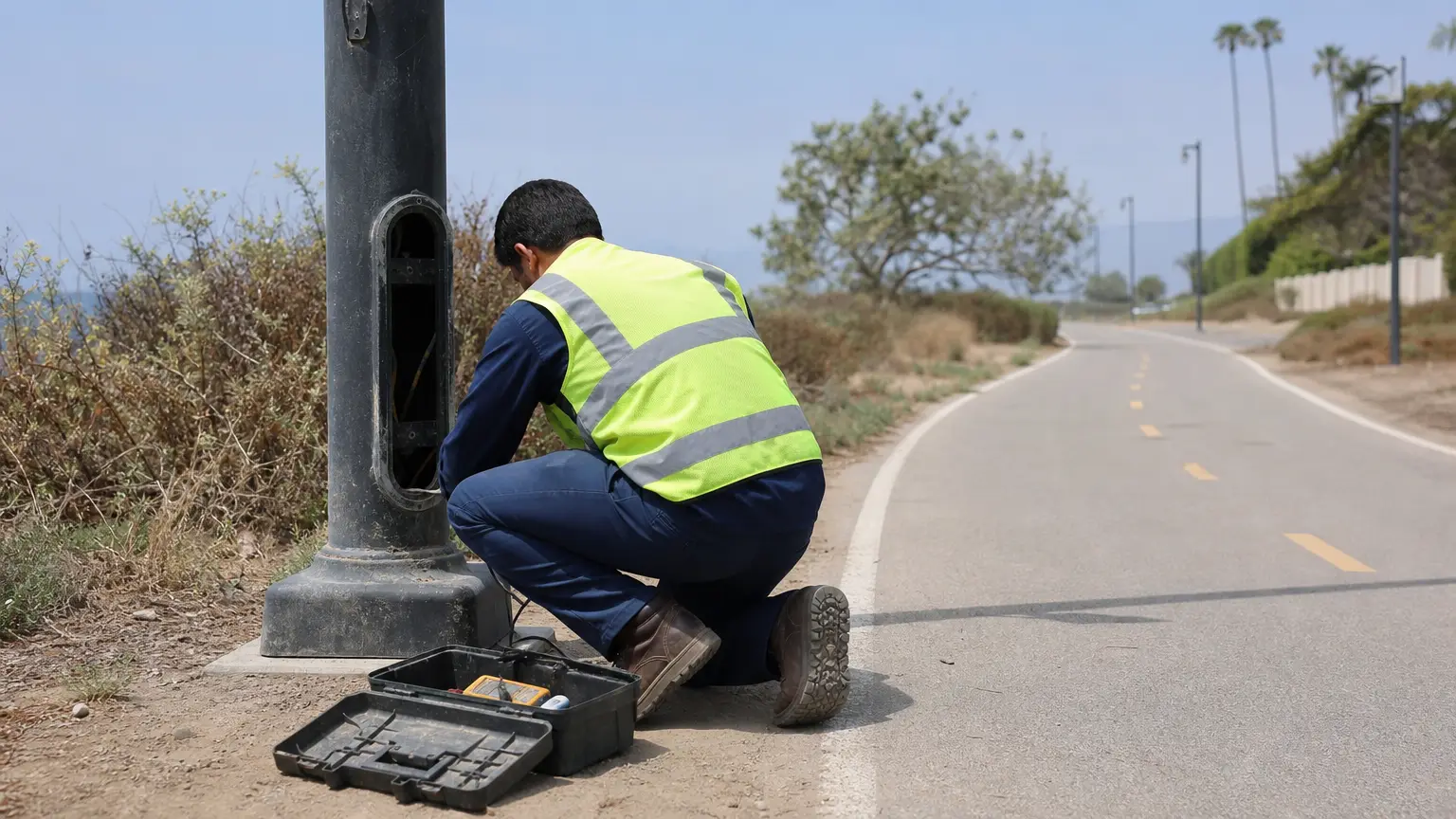
If you've ever pedaled or strolled the Santa Barbara bike path after dark, you know the frustration of a dark stretch where a light should be. The Santa Barbara Independent reports that while the county has rolled out a new system to report those burned-out fixtures, the real problem isn't reporting—it's paying for the replacements. With budget constraints leaving many lights dark, this isn't just a nuisance; it's a safety concern for commuters, families, and evening joggers who rely on that path. For those of us in the 805, the bike path is a vital artery connecting neighborhoods from Goleta to Carpinteria. The new reporting labels are a step forward, but without funding for actual repairs, they're just stickers. Let's hope county officials hear our collective call for a safer, better-lit route before someone gets hurt in the dark.
 Santa Barbara
Austria’s World Cup Journey Begins in Goleta with Harder Stadium Training Session
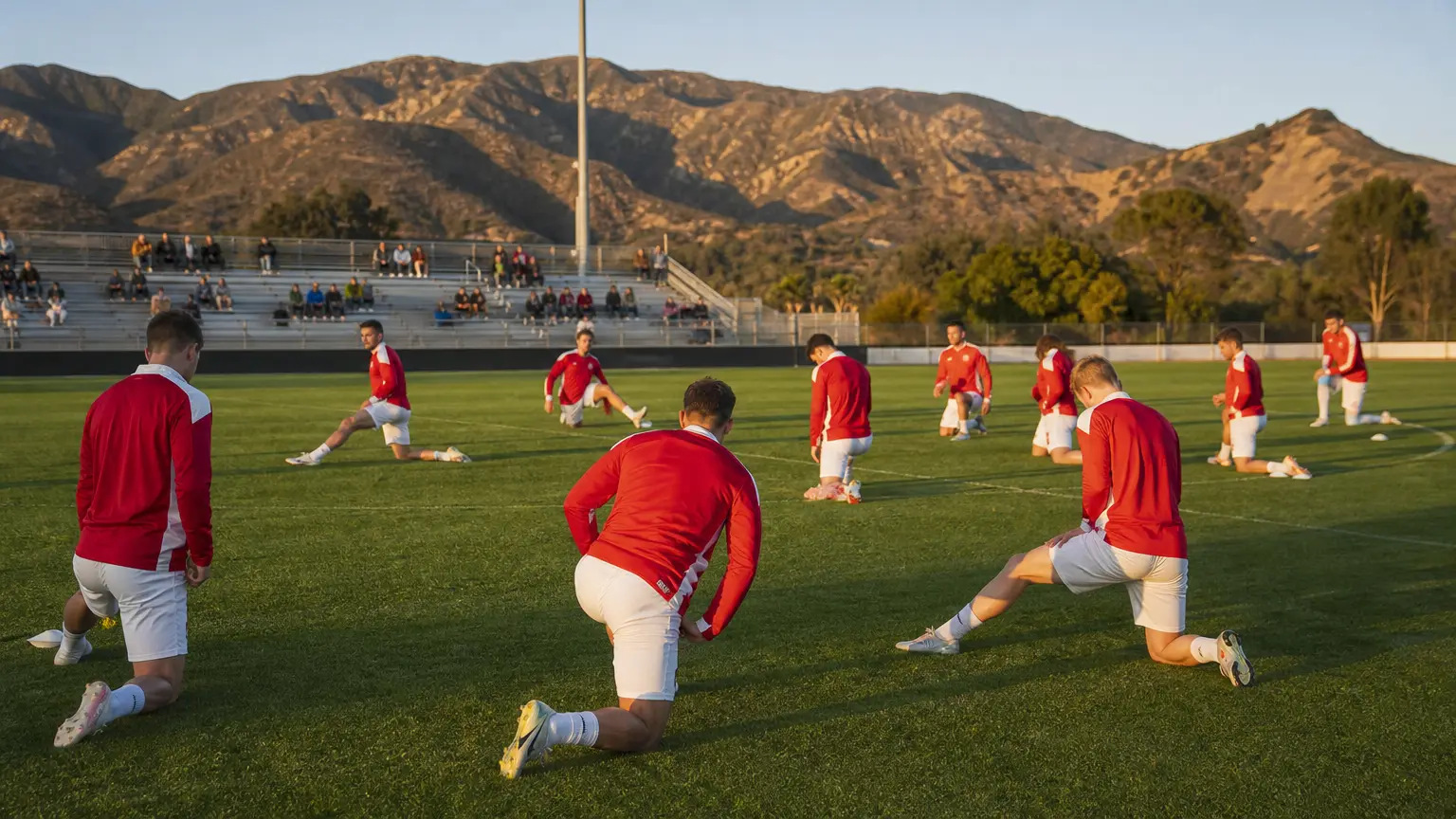
Austria’s World Cup run is getting a Central Coast kickoff. The Austrian national soccer team has set up camp at Harder Stadium in Goleta for training sessions ahead of their World Cup opener against Jordan on Wednesday, June 17. It’s a rare treat for local soccer fans to see a World Cup squad preparing right in our backyard, with practices likely open to spectators. This is a big deal for the 805 region — not just for the international spotlight on UCSB’s pitch, but for the community pride of hosting a team on the world’s biggest stage. The Santa Barbara Independent first shared the news, and it’s a reminder that even in a small town, global sporting moments can feel personal. If you spot players around Goleta, give them a warm Central Coast welcome.
 Santa Barbara
Radicalizing People Through Plants
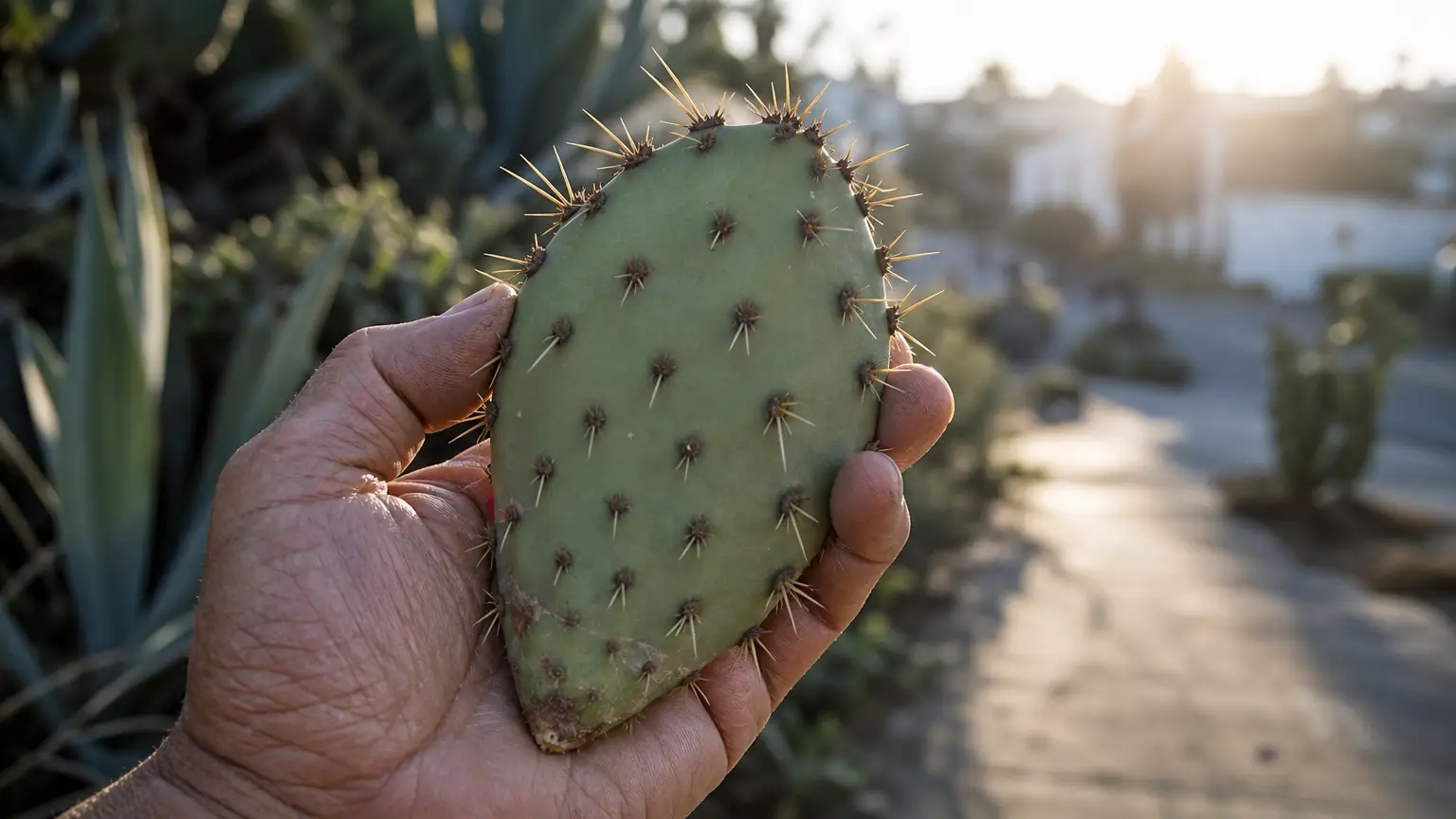
Foraging isn't just about finding free food—it's a quiet act of resistance. That's the message Robin Greenfield brought to Santa Barbara last week, stopping through town as part of a larger mission to reconnect people with the wild edibles growing right under our noses. From prickly pear to purslane, Greenfield showed locals how the urban landscape is actually a pantry in disguise. As reported by the Santa Barbara Independent, Greenfield's visit was part foraging workshop, part philosophical talk—urging us to rethink our relationship with nature and consumer culture. For a community like ours, where farmers markets and farm-to-table are already beloved, this feels like a natural next step. Whether you're a seasoned forager or just curious about that strange weed in your backyard, Greenfield's message is a reminder that the Central Coast is rich in more than just views.