A Tale of Two Villages

A Nine-Year-Old's Call for Ocean Justice
When Flora McCauley wrote to the Santa Barbara Independent last week, her words carried the weight of centuries. The nine-year-old Montecito Union School student had learned about the Chumash village of Helo' in her third-grade classroom, but what she discovered on a field trip with her mother left her heartbroken—and determined to act.
"When we arrived at the spot, nearby to the Santa Barbara Airport I was confused and I thought we were in the wrong place," Flora wrote. Where the bustling Chumash village once stood on Mescalitan Island, she found only "concrete ponds and brown pools"—the remnants of a sewage treatment plant.
From Vibrant Village to Sewage Plant
The transformation of Helo' represents one of California's most stark examples of cultural erasure. The Chumash village sat on what was then an island in the Goleta Slough, home to an estimated 600 to 800 residents who thrived in dome-shaped houses called ap' made from willow branches and reeds. Spanish explorers in 1769 observed the extensive tomol (plank canoe) building and named the area "La Carpinteria"—"The Carpenter Shop."
But in 1941, the Army Corps of Engineers leveled Mescalitan Island to provide fill for a Navy airport. Today, the Goleta Sanitary District's water treatment plant sits where the village once flourished.
The Santa Barbara Airport acknowledges that it "sits on what is now known as the Goleta Slough - an area that has a long and rich history for the Chumash people."
A Second Chance at Mishopshno
Flora's letter connects this historical trauma to the current debate over the proposed Mishopshno State Marine Conservation Area, a tribally-led effort to protect nine acres of coastal waters near Carpinteria. Named for another historic Chumash village, the proposal is co-sponsored by the Santa Ynez Band of Chumash Indians, Environmental Defense Center, and Natural Resources Defense Council.
The proposed marine protected area would cover a 1.6-mile-long rocky reef that supports kelp forests and serves as important habitat for marine life, including juvenile white sharks. Unlike more restrictive protections, recreational activities like surfing, swimming, and shore-based fishing would continue to be allowed.
"I can still do all of those same things if Mishopshno becomes protected," Flora wrote. "But while doing these same things I might also have a chance to catch a glimpse of members of the Chumash Tribe paddling out into the protected area to go fishing, maybe even in one of today's tomols."
Voices from the Community
The proposal has sparked passionate debate across Santa Barbara County. At public hearings in May, supporters and opponents packed meeting rooms—environmentalists wearing blue "Marine Protected Areas for us ALL" shirts, while fishing advocates donned green "Fishing Access IS Equitable Access" shirts.
Nakia Zavalla, Tribal Historic Preservation Officer for the Santa Ynez Band of Chumash Indians, told commissioners that "accessing the marine area and resources within the Mishopshno MPA continues the ancestral and cultural connection to the traditional ways of life."
But fishing families like the Diamonds, who operate Stardust Sportfishing, worry about losing access to productive waters. "Our kids and our local community, who do rely on this as a food source, will lose that access," Jaime Diamond testified.
The Commission's Decision Looms
The California Fish and Game Commission expects to make final recommendations on June 17, deciding the fate of 20 petitions to modify the state's marine protected area network. An October 2025 poll found that nearly 80% of Californians support healthy marine protected areas, with more than two-thirds supporting the Mishopshno proposal specifically.
For Flora McCauley, the choice seems clear. "Because we already totally ruined Helo'," she wrote. "We turned their fascinating history into a big pond of sewage... So in order to honor the last bit of what they have left, and not have it go to a total waste like we did to Helo', we have to step in and help them by making a protected area at Mishopshno."
Her words—written in the voice of a child but carrying the moral weight of history—may prove to be among the most compelling arguments yet made for protecting what remains of the Chumash people's ancestral waters.
Reported by 805.life
Researched and written drawing on primary sources. Additional reporting: Santa Barbara Independent.
City
Santa BarbaraAdditional Reporting
Santa Barbara IndependentPublished
June 6, 2026
Reported and written by 805.life
Explore Santa BarbaraAll Santa Barbara NewsMore News from Santa Barbara
 Santa Barbara
Will We Destroy the Planet That Sustains Us?
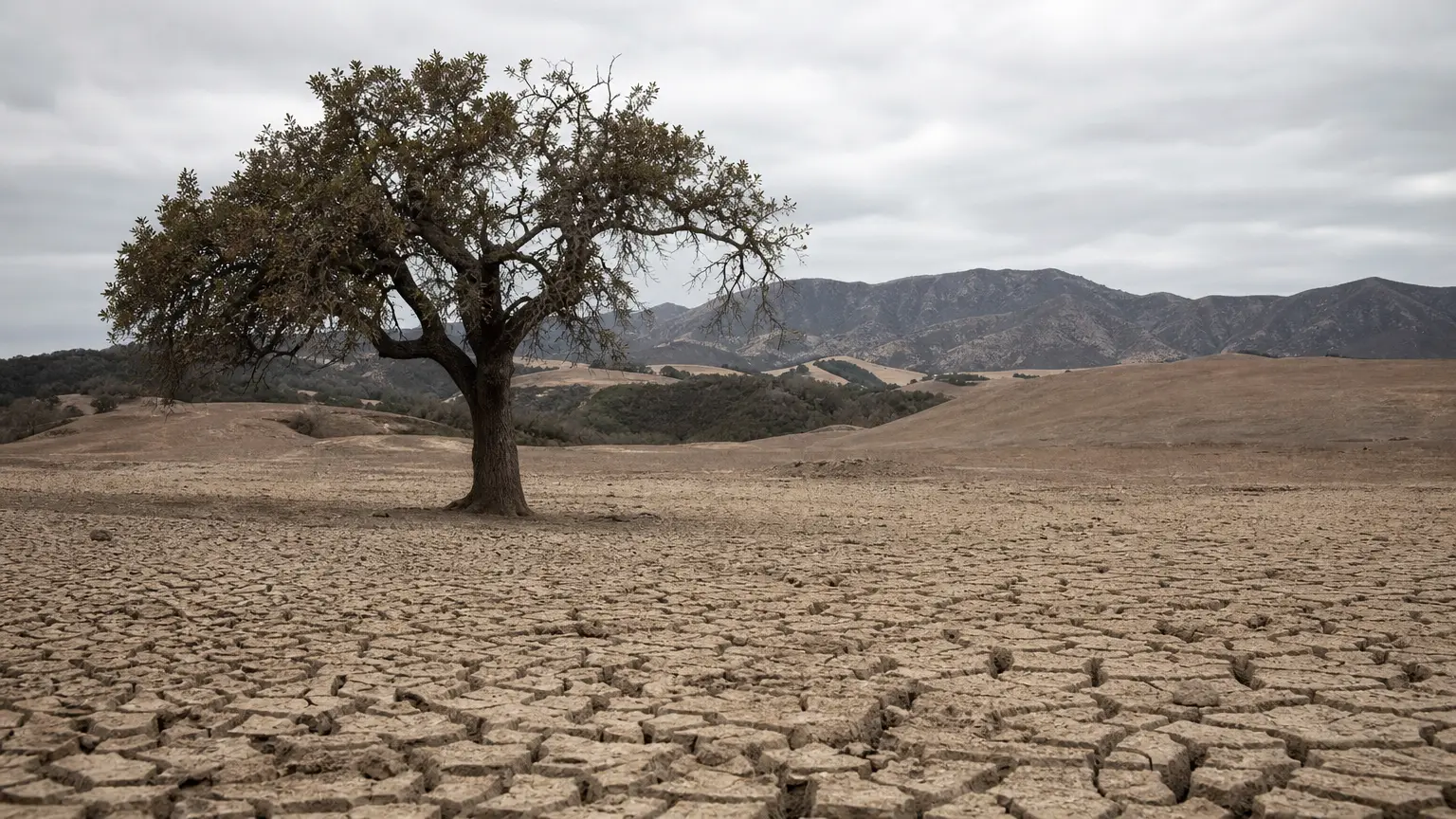
Climate change isn't just a distant headline anymore—it's here, in our backyard. A recent piece in the Santa Barbara Independent reminds us that the warming planet is acting as a 'force multiplier,' intensifying everything from wildfire seasons to coastal erosion along the 805. For us on the Central Coast, that means longer droughts, tougher farming conditions, and a more fragile local ecosystem. It's not just an environmental story; it's a community resilience story. We've seen it firsthand—the Thomas Fire, Montecito mudslides, and now hotter summers that test our power grid. This isn't about doom-scrolling; it's about local action. Whether it's supporting sustainable agriculture in Santa Ynez or advocating for smarter water use in Ventura, our choices shape the future. The Independent's piece is a call to notice how everything connects—our air, our ocean, our food. Let's not wait for the next crisis to act.
 Santa Barbara
Vast Botanical Data Help Solve Darwin’s Puzzle of Why Some Exotic Plants Become Pests
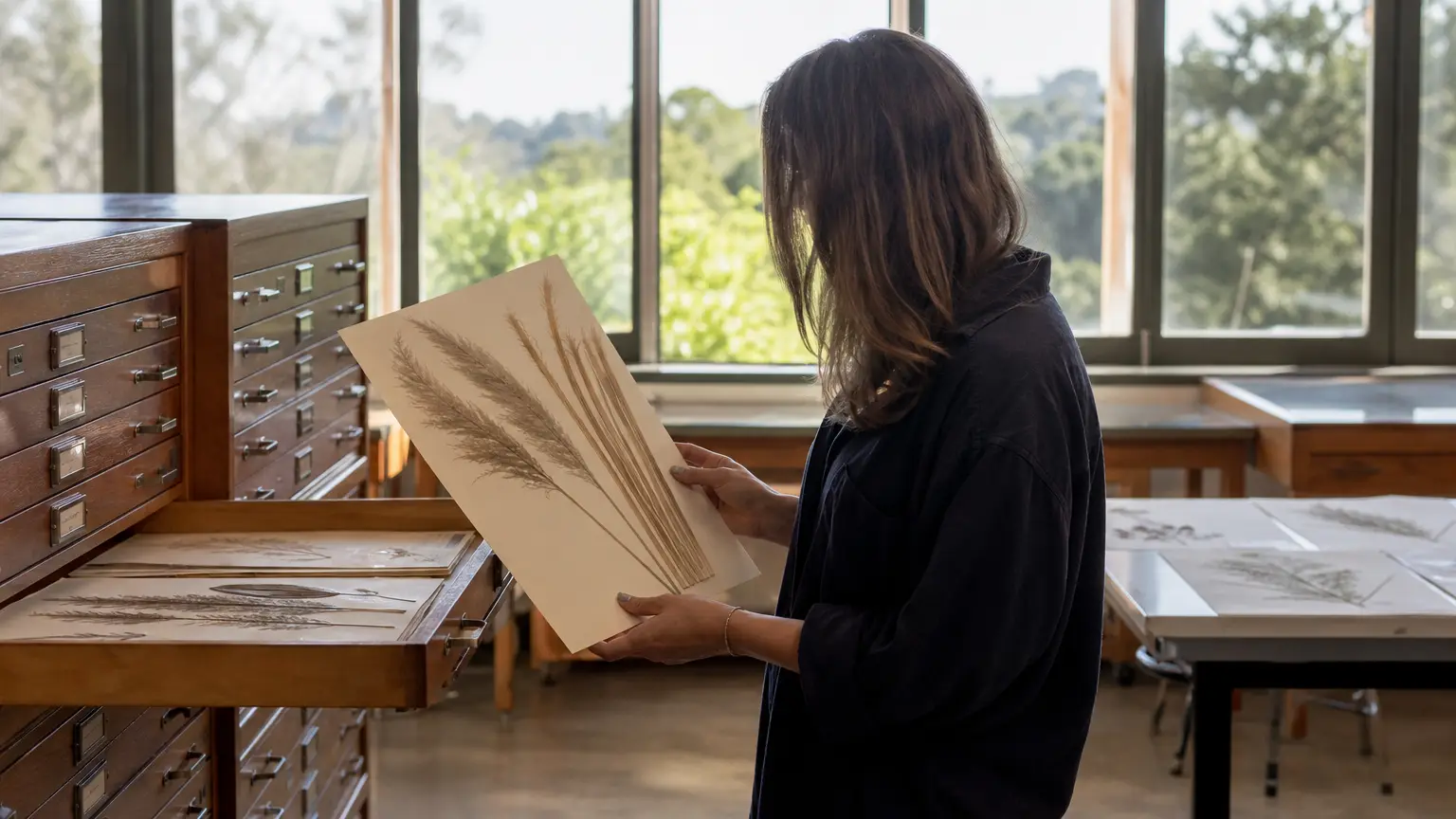
Ever wonder why some plants from far-off lands take over our Central Coast gardens while others just behave? A new study, covered by the Santa Barbara Independent, uses vast botanical data to finally answer Darwin’s old puzzle. The secret, it turns out, is written in our local climate. Plants that thrive as pests here are the ones whose native habitats closely match Santa Barbara’s mild, Mediterranean weather — meaning they’re already perfectly adapted to our dry summers and wet winters. For us in the 805, this isn’t just academic. It explains why invasive species like iceplant and pampas grass run rampant along our coast while other exotics fizzle out. The research, drawing on global data sets, helps land managers predict which new arrivals could become the next big headache for our local ecosystems. So next time you spot a suspiciously vigorous newcomer in your backyard or along the Gaviota coast, remember: the climate connection is key — and local scientists are on the case.
 Santa Barbara
Multiple Arrests Made in Fatal Shooting at Santa Barbara’s Bohnett Park
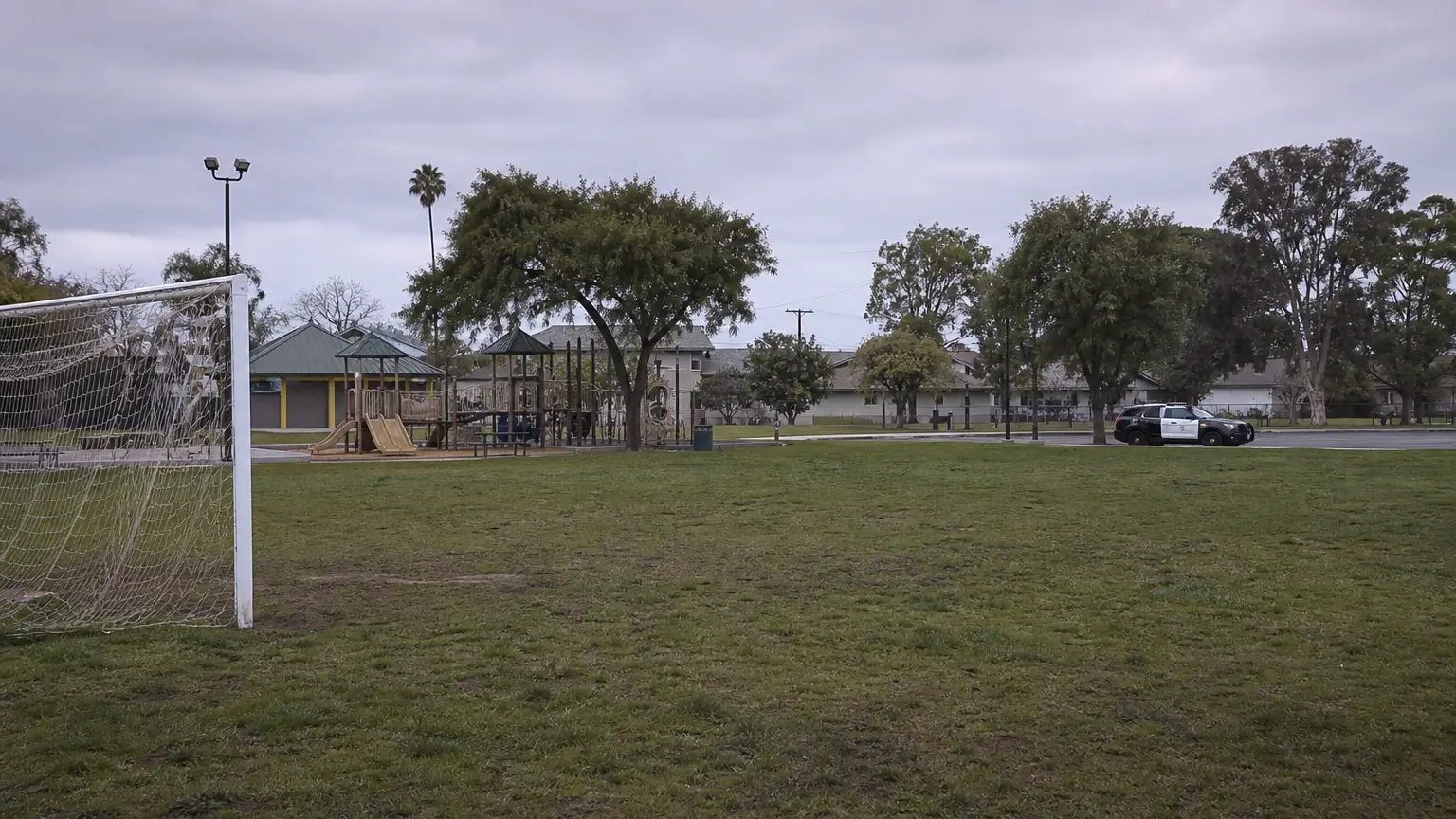
Santa Barbara is reeling after news broke that multiple arrests have been made in the fatal shooting of Luis Terrazas at Bohnett Park back in February. Terrazas, who had been previously implicated in a separate killing, was gunned down at the Westside park—a place many of us know for its sports fields and community gatherings. The Santa Barbara Independent reports that investigators have been working tirelessly on this case, and these arrests mark a significant step toward justice. For those of us who live here, Bohnett Park isn't just a dot on a map; it's where kids play soccer and families hold barbecues. This incident has shaken the Westside community, and many are left wondering about safety in our public spaces. The arrests bring some closure, but they also remind us of the ongoing challenges with violence in our city. Keep an eye on the Independent for updates as this story develops.